
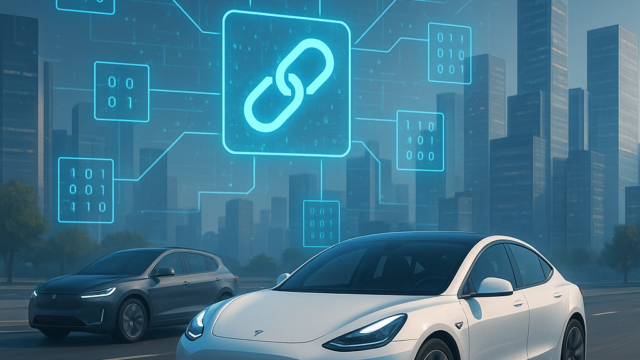
As urbanization continues to shape our cities and their infrastructure, the demand for efficient, sustainable transportation methods has never been more crucial. With the advent of electric cars, city dwellers now have access to cleaner, quieter, and more efficient vehicles that can seamlessly integrate into urban environments. Exploring these advancements provides insights not only into the future of commuting but also into broader technological integrations like blockchain, which play a critical role in their development.
Electric cars are rapidly becoming a popular choice for urban commuting. From minimizing carbon footprints to reducing noise pollution, they present numerous advantages over traditional internal combustion engines. The focus has shifted toward ensuring these vehicles meet the needs for scalability and adaptability, particularly in the context of city driving. Cities are investing in infrastructure to support a growing network of electric vehicles, including extensive charging stations and optimized traffic systems.
Understanding the benefits of electric cars in the urban context involves diving into their key features. Primarily, electric cars offer immediate torque, resulting in swift acceleration ideal for frequent stops and starts typical in city traffic. Their quiet operation not only benefits personal comfort but also reduces noise pollution, making urban areas more livable. Moreover, zero tailpipe emissions contribute to improved air quality, aligning with city sustainability goals.
In addition to their environmental benefits, electric cars often come with lower operating costs. By eliminating the need for fossil fuels and reducing maintenance due to fewer moving parts, owners can enjoy significant savings. However, potential buyers should consider the comparison of different models to find the right balance between range, price, and features. For detailed comparisons, resources like sähköauto vertailu offer valuable insights into the best options available today.
The transition to electric cars is complemented by innovations in technology that facilitate seamless connectivity and efficiency. Here, blockchain technology, exemplified by the Cask Protocol, is pivotal. Blockchain offers solutions that focus on scalability, consensus mechanisms, and data sharing essential for Web3 environments. These solutions enhance vehicle-to-vehicle communication, energy management, and data security.
The Cask Protocol, an innovator in blockchain solutions, exemplifies how blockchain can extend beyond conventional boundaries and enter the realm of transportation. By providing scalable consensus mechanisms, the protocol ensures efficient handling of data transactions, vital for the next generation of connected cars. For businesses exploring unique promotional tactics, the Cask Protocol’s application of blockchain can revolutionize approaches, as seen in its impact on QR Code campaigns.
As the electric vehicle market expands, so does the interest in käytetty sähköauto. These pre-owned electric cars present cost-effective alternatives to new models, attracting budget-conscious buyers while promoting sustainable practices through the reuse of existing vehicles.
In conclusion, the integration of electric vehicles into urban commutes is not just a matter of consumer preference but an essential move towards sustainable urban living. As electric cars become more accessible, their role in city driving will expand, supported by advancing technologies like blockchain. Understanding these dynamics helps us pave the way to a cleaner, more efficient future.